

Complex and specialist care
Some packages need more than general care training. Specialist packages are staffed by carers trained for the condition and supervised against a plan written with the clinical team.

Is this you?
Higher-dependency support delivered by carers trained for the specific condition.
People with complex or long-term conditions
The package needs carers trained for the specific condition, not general care training and good intentions.
Packages funded through NHS Continuing Healthcare
The funding is agreed and the care now has to match what was assessed.
Families discharged home with high needs
You have been sent home with equipment, a schedule and very little explanation.
What you get
- Condition-specific carer training
- Clinical input into the care plan
- Close supervision and review
- Coordination with district and specialist nurses
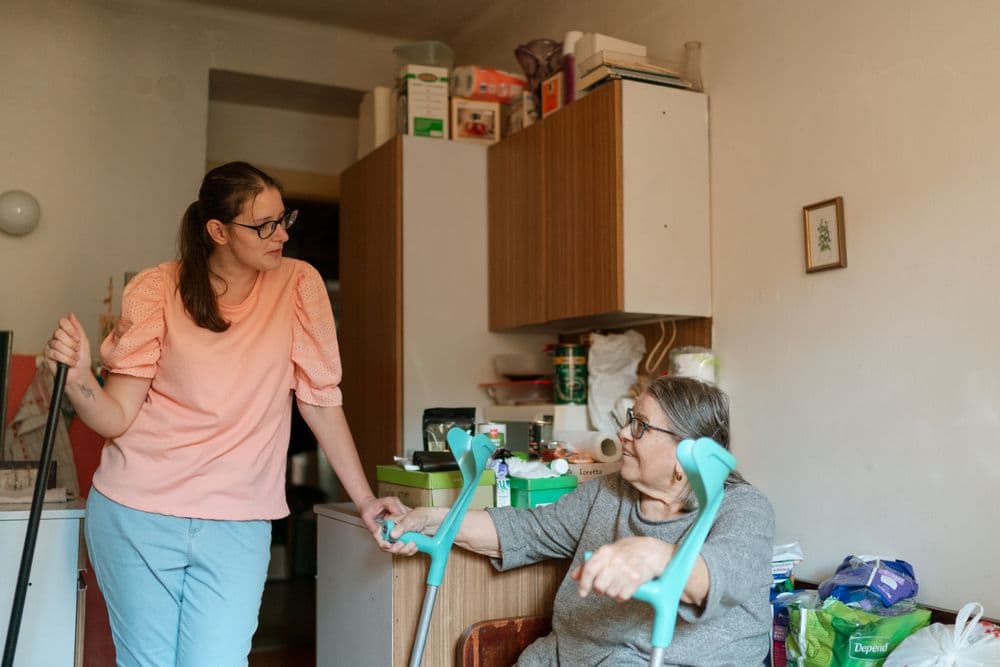
When general care training is not enough
Some packages need more than a kind carer and a generic plan: PEG feeding, complex medication, acquired brain injury, advanced dementia, end-of-life care at home, NHS Continuing Healthcare. Specialist packages are staffed by carers trained for that condition and supervised against a plan written with the clinical team.
- Condition-specific training before the first visit
- Clinical input into the care plan
- Close supervision and documented reviews
- Coordination with district nurses, specialist nurses and therapists
What commissioners should expect to see
A specialist package that cannot evidence training, competency and supervision will fail the person and the audit. We keep the file in a state you would be willing to hand to a reviewing nurse: who is trained, when they were signed off, what changed at the last review.
- Competency records against the tasks in the plan
- Escalation routes that are actually used
- Reviews when the clinical picture changes, not only at 12 weeks
- A coordinator who answers the phone when the nurse calls
Four steps to care starting
- Step 01
Enquiry
Tell us what is happening. One conversation, no obligation.
- Step 02
Assessment
We assess needs, preferences, communication, consent, capacity and risks at home.
- Step 03
Care plan
A written plan setting out agreed needs, preferences, outcomes, risks, consent, visit arrangements and review dates.
- Step 04
Care starts
Support begins once all required arrangements, checks, consent, registration and commissioning requirements are in place, and the plan is reviewed as needs change.
Related services
Pages that usually sit next to this one — so you are not hunting the menu.
- Personal careHands-on support with washing, dressing and the parts of a day that have become difficult.Read more
- Live-in careA carer living in the home, as an alternative to moving into residential care.Read more
- Dementia careFamiliar faces, familiar routines, and carers trained in dementia-informed support.Read more
- Physical disabilityPractical support that works around the person's own way of doing things.Read more
Arranging care
Funding, coverage and how to start.