

Mental health support
Support that complements the clinical team rather than duplicating it, with carers who understand that recovery is rarely a straight line.
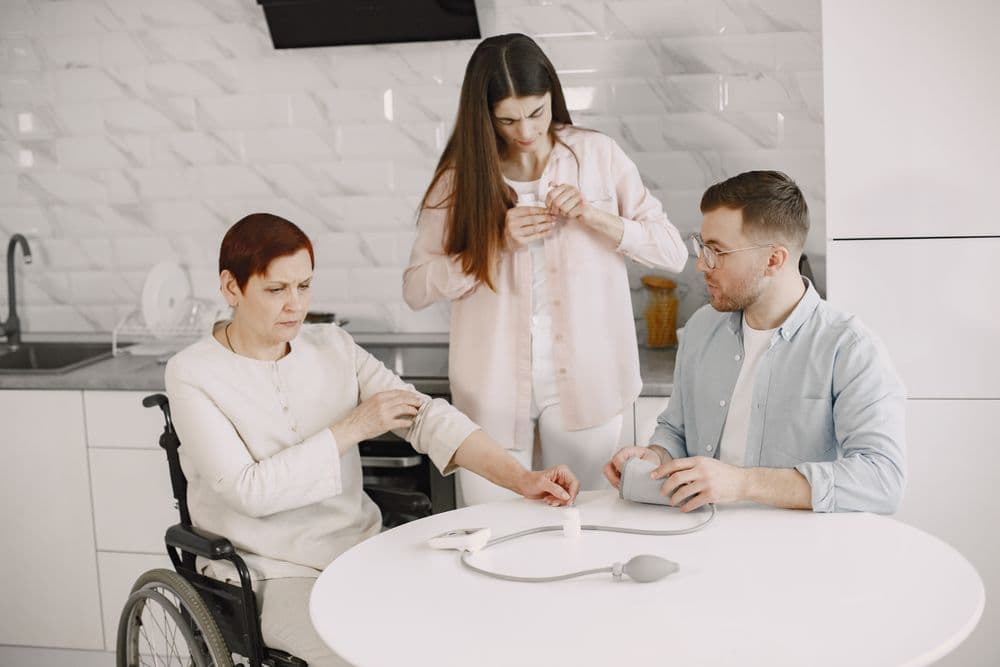
Is this you?
Reliable, non-judgemental support alongside clinical care.
Adults living with a mental health condition
You want practical support alongside the clinical team, not another set of appointments.
People recovering after a crisis
Things are steadier now, and the routine is what keeps it that way.
People who need structure to the week
Medication, appointments and meals are the things that slip first when it gets difficult.
What you get
- Support with routine and structure
- Prompts for medication and appointments
- Company and practical help
- Coordination with clinical teams
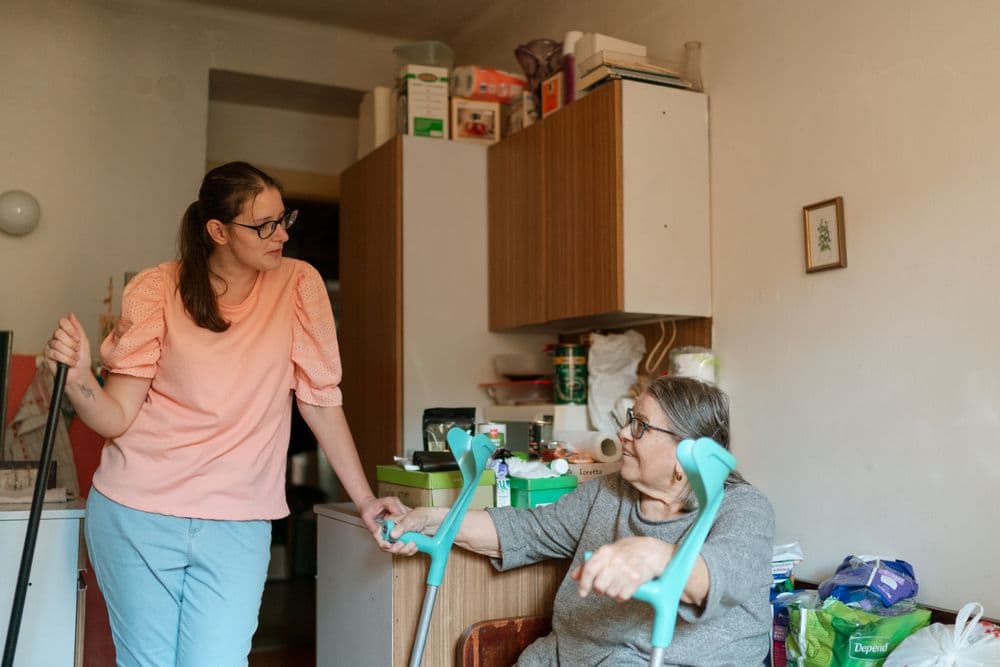
Practical support, not another clinical appointment
This is not therapy and it does not replace the community mental health team. It is the reliable presence that keeps medication taken, meals eaten, and appointments attended when motivation has dropped. Recovery is rarely a straight line; the rota has to survive a bad week without the carer taking it personally or disappearing.
- Support with routine and structure
- Prompts for medication and appointments
- Company and practical help around the home
- Coordination with clinical teams, with consent
After a crisis, the routine is the treatment
People coming home after an admission often need more structure than they will in six months. We plan for that, and we plan to step down. A package that stays heavy because nobody reviewed it is not good support.
- A written plan the person has actually agreed
- Clear boundaries: what carers do and do not do
- Escalation routes that match the clinical team's
- Reviews that ask whether the person wants less, not only more
Four steps to care starting
- Step 01
Enquiry
Tell us what is happening. One conversation, no obligation.
- Step 02
Assessment
We assess needs, preferences, communication, consent, capacity and risks at home.
- Step 03
Care plan
A written plan setting out agreed needs, preferences, outcomes, risks, consent, visit arrangements and review dates.
- Step 04
Care starts
Support begins once all required arrangements, checks, consent, registration and commissioning requirements are in place, and the plan is reviewed as needs change.
Related services
Pages that usually sit next to this one — so you are not hunting the menu.
- Companionship and wellbeing visitsRegular company, conversation and support to stay connected.Read more
- Domiciliary and home careScheduled visits arranged around the household, from short daily calls upwards.Read more
- Learning disabilitySupport that builds independence rather than replacing it.Read more
- Complex and specialist careHigher-dependency support delivered by carers trained for the specific condition.Read more
Arranging care
Funding, coverage and how to start.