

Respite care
Family carers need time off, and arranging it should not be a fight. Respite can be booked as planned blocks or arranged at short notice when circumstances change.
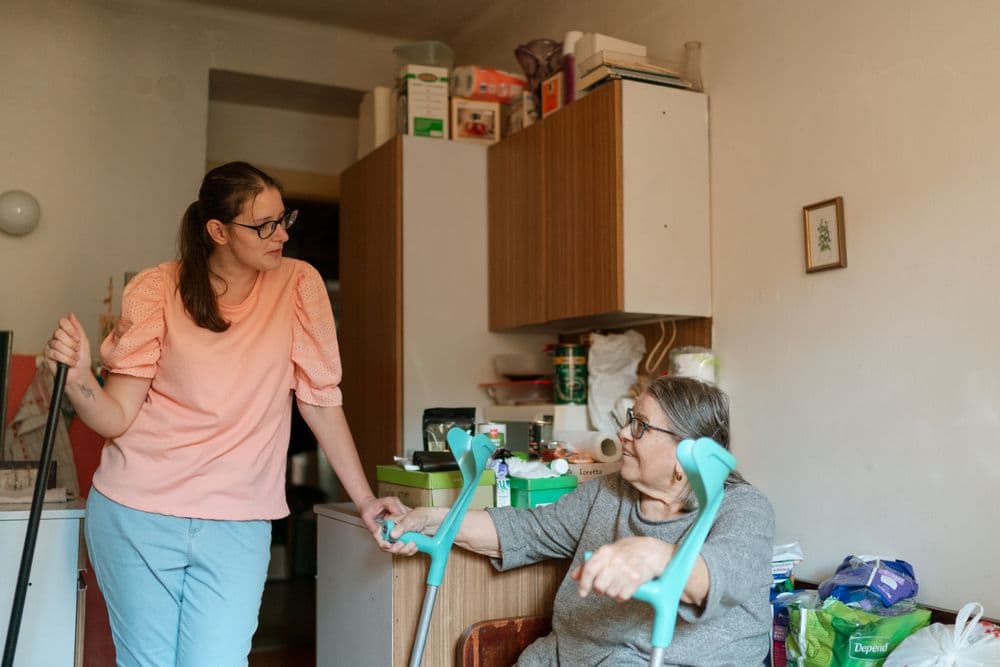
Is this you?
Short-term cover so family carers can rest, recover or take a break.
Family carers who need a break
You have not had a week off in a long time, and arranging cover has felt harder than carrying on.
Families covering a holiday or hospital stay
Something is booked, or something has happened, and the care still has to continue.
People recovering after discharge
The hospital has sent you home and the first few weeks need more support than the months after.
What you get
- Planned and emergency respite
- Daytime, overnight or live-in cover
- Continuity with the existing care plan
- Short-notice arrangements where possible
Planned breaks and short-notice cover
Family carers hold packages together for years and then cannot take a week off. Respite is visiting or live-in cover that keeps the existing routine in place so the person is not learning a new system while their usual carer is away. We prefer planned blocks — they are safer — and we will say honestly when short-notice cover is not possible.
- Daytime visiting cover for a few hours or a few days
- Overnight or live-in respite where the need is round-the-clock
- Cover during a family holiday, a hospital stay or a funeral
- The existing care plan followed, not rewritten for our convenience
Handover that does not lose the detail
Respite fails when the covering carer does not know the person. We take a handover from the family or the usual team before the first visit: medication, risks, likes, the way the kettle is filled. That is the work. Showing up with a generic checklist is not.
- A handover conversation before cover starts
- Medication and risk information in writing
- A named person the family can call during the break
- A note back at the end of the period so nothing is lost
Four steps to care starting
- Step 01
Enquiry
Tell us what is happening. One conversation, no obligation.
- Step 02
Assessment
We assess needs, preferences, communication, consent, capacity and risks at home.
- Step 03
Care plan
A written plan setting out agreed needs, preferences, outcomes, risks, consent, visit arrangements and review dates.
- Step 04
Care starts
Support begins once all required arrangements, checks, consent, registration and commissioning requirements are in place, and the plan is reviewed as needs change.
Related services
Pages that usually sit next to this one — so you are not hunting the menu.
- Domiciliary and home careScheduled visits arranged around the household, from short daily calls upwards.Read more
- Live-in careA carer living in the home, as an alternative to moving into residential care.Read more
- Companionship and wellbeing visitsRegular company, conversation and support to stay connected.Read more
- Personal careHands-on support with washing, dressing and the parts of a day that have become difficult.Read more
Arranging care
Funding, coverage and how to start.